.png?width=600&height=240&name=Untitled%20design%20(23).png)
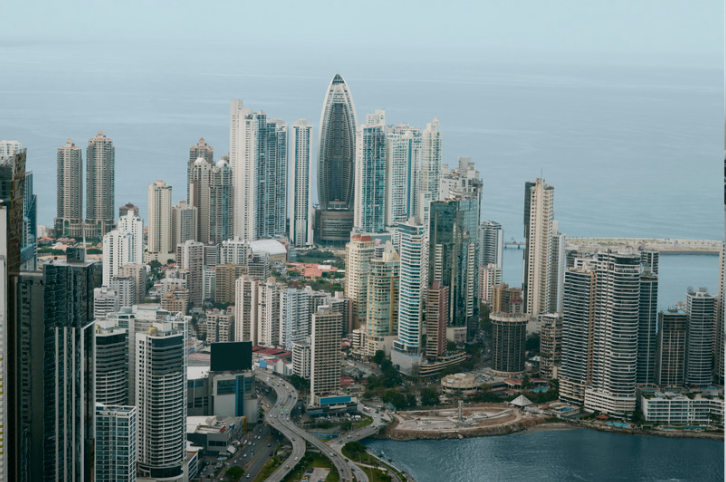
Panama City is small enough to map out in your head, yet large enough to surprise you once you...
Digital Nomad in Panama City in 2026 | Cost of Living, Visas & Best Areas
Remote work changed the geography of how people choose where to live.
A few years ago, most digital nomad conversations in Latin America revolved around places like Medellín, Lisbon, or Mexico City. Panama City often sat quietly in the background — respected as a financial hub, but rarely discussed as a serious remote work destination=--
That has started to change.
Over the last few years, we've watched more entrepreneurs, freelancers, consultants, software developers, online business owners, and location-independent professionals choose Panama City as their base.
And after speaking with many of them — and watching this shift happen in real time — it's easy to understand why.
Panama City may not have the social media hype of other digital nomad hubs, but in practical terms, it's quietly becoming one of the smartest places in Latin America to build a remote lifestyle.
The Core Appeal for Remote Workers
For many remote professionals, the biggest attraction starts with financial stability.
Unlike most countries in the region, Panama uses the US dollar. For Americans, or anyone earning in dollars, this immediately removes currency exchange risk. Your income arrives, and its purchasing power remains exactly what you expected.
For Europeans or international business owners earning in multiple currencies, Panama's stable economy offers predictability that many other Latin American destinations simply can't match.
Panama also operates under a territorial tax system, which means foreign-sourced income is generally not taxed locally. For remote workers earning from clients, employers, or businesses outside Panama, this becomes a meaningful long-term advantage.
Then there's connectivity.
Tocumen International Airport is one of the most connected airports in Latin America and the primary hub of Copa Airlines. Direct flights to North America, South America, Europe, and the Caribbean make client meetings, conferences, family visits, or regional travel significantly easier than in many other nomad destinations.
For people who travel often, this matters more than most expect.
And finally — infrastructure.
Panama City simply works.
Reliable electricity, modern residential towers, fast internet, international healthcare, quality supermarkets, easy transportation, and a generally efficient urban environment make day-to-day remote work logistics refreshingly simple.
Internet and Connectivity
This is usually the first practical question every digital nomad asks.
The good news is that internet in Panama City is genuinely strong — and improving every year.
Most modern residential buildings in neighborhoods like Punta Pacífica, Costa del Este, San Francisco, and Marbella offer fiber-optic internet through providers like Tigo and Claro.
Residential fiber plans typically range from 100 Mbps to 500 Mbps, with monthly costs between USD 30 and USD 80 depending on your provider and package.
Mobile coverage is also solid throughout the city, with strong 4G/LTE service and ongoing 5G expansion.
Outside Panama City — in places like Boquete or Coronado — internet remains workable for most remote professionals, though consistency can vary more depending on the exact neighborhood or property.
Many remote workers outside the city keep a mobile hotspot as backup.
Coworking Spaces
While Panama City doesn't yet have the coworking density of Medellín or Lisbon, its ecosystem is growing steadily.
A few spaces stand out consistently among remote workers we know.
Selina Casco Viejo
Located in Casco Viejo, Selina combines accommodation, coworking, networking events, and social spaces. It's particularly popular with short-term nomads passing through Panama.
WeWork Oceanía
Located in the Oceanía Business Plaza in Punta Pacífica, this is often the preferred option for professionals who need meeting rooms, quiet workspaces, and a more corporate environment.
Casco Cowork
A smaller independent coworking space in Casco Antiguo that tends to attract creatives, consultants, designers, writers, and startup founders looking for a more relaxed atmosphere.
That said, many remote workers in Panama City end up working from cafés or directly from home.
Panama City's coffee scene has improved dramatically over the last few years, and many newer apartment towers now include private coworking lounges as part of the building amenities.
Visa Options for Digital Nomads
Panama still doesn't market itself as aggressively to digital nomads as some countries do — but in practice, it offers several workable options.
Most nationalities — including citizens of the US, Canada, the UK, EU countries, Australia, and much of Latin America — can enter Panama as tourists for up to 180 days without a visa.
For many remote workers testing the country, that alone is extremely generous.
Panama also introduced a short-stay visa for remote workers in recent years, allowing qualifying professionals employed outside Panama to remain in the country for extended periods.
For those thinking long-term, the Friendly Nations Visa remains one of the most common pathways toward actual residency.
Most serious remote workers who decide Panama is home eventually transition toward residency rather than repeatedly cycling tourist entries.
Cost of Living for Remote Workers
Compared to other Latin American hubs, Panama City sits somewhere in the middle.
It's noticeably more expensive than Medellín, broadly comparable to San José, and still significantly cheaper than major cities in the US, Canada, or Western Europe.
A realistic monthly budget for a solo remote worker living comfortably in Panama City usually looks something like this:
-
Furnished one-bedroom apartment in San Francisco or El Cangrejo: USD 900–USD 1,400
-
Furnished one-bedroom in Punta Pacífica or Costa del Este: USD 1,400–USD 2,200
-
Coworking membership: USD 150–USD 300
-
Groceries: USD 350–USD 500
-
Dining out regularly: USD 250–USD 400
-
Transportation (mostly Uber): USD 100–USD 200
-
Internet, mobile, and utilities: USD 100–USD 150
In practice, most digital nomads here spend between USD 2,000 and USD 3,500 per month, depending heavily on housing choices and lifestyle.
Community and Social Life
This is where Panama City often surprises people.
The digital nomad scene is smaller than Medellín's — but it's often more diverse.
In a single week, you might meet software founders, remote consultants, expat retirees, finance professionals, startup operators, embassy staff, and Panamanians returning from careers abroad.
Unlike larger nomad hubs where communities sometimes feel siloed, Panama City's expat ecosystem tends to mix more naturally.
There are active Facebook groups, WhatsApp communities, language exchanges, fitness meetups, cycling groups, and even weekend surf communities that connect remote workers surprisingly quickly.
Most newcomers who make an effort build a social circle within a few weeks.
Where Should Remote Workers Live?
Based on what we've seen, three neighborhoods stand out.
San Francisco
Probably the best overall balance.
Good restaurants, cafés, supermarkets, access to coworking spaces, reasonable rents, and a real neighborhood feel make San Francisco one of the strongest options for remote workers.
Marbella / El Cangrejo
Ideal for people who want density, nightlife, restaurants, and city energy.
You'll often find slightly better apartment value here, especially in older buildings.
Punta Pacífica
The premium option.
More expensive, but difficult to beat in terms of infrastructure, amenities, ocean views, healthcare access, and airport convenience.
The Honest Trade-Offs
Panama City isn't perfect for everyone.
The climate is hot, humid, and tropical year-round. If you struggle with humidity, it can take time to adapt.
Culturally, Panama City is more business-focused than artistic. If you're looking for the cultural intensity of Medellín or Mexico City, Panama may feel quieter.
And while English is widely spoken in expat areas, daily life becomes much easier with conversational Spanish — especially when dealing with pharmacies, contractors, markets, or local services.
Our Honest Take
For remote workers who value financial stability, modern infrastructure, easy international travel, and a strategic long-term base in the Americas, Panama City is one of the most underrated options in Latin America.
It may not be the loudest digital nomad destination.
But increasingly, it's becoming one of the smartest.