.png?width=600&height=240&name=Untitled%20design%20(23).png)
How much does it cost to live in Panama? In recent years, Panama has become one of the most...
Driving in Panama for Expats in 2026 | License, Road Rules & What to Expect
If you've driven in any major Latin American city, Panama will feel familiar. If you haven't, it can feel chaotic for the first few weeks. Either way, driving here works — and for many expats, it becomes a normal part of daily life.
Here's an honest breakdown of what to expect, how to get legal, and whether you actually need a car at all.
Do You Even Need a Car?
This is the first question to answer, because the honest reply depends a lot on where you live.
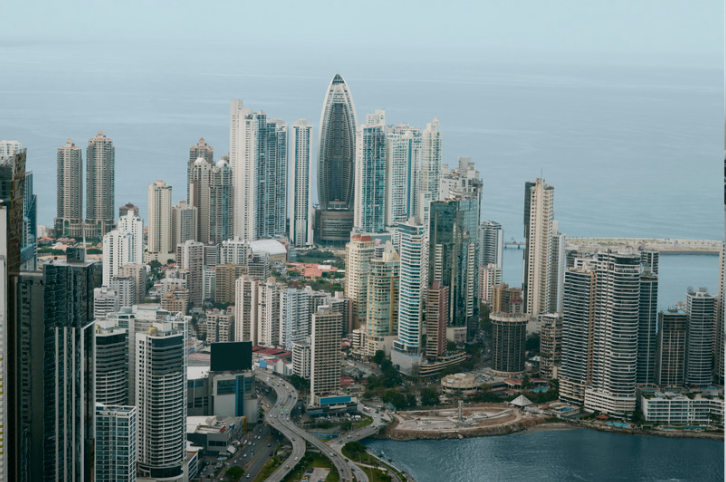
In central Panama City — neighborhoods like Punta Pacífica, San Francisco, Marbella, El Cangrejo, and Casco Antiguo — many expats live without a car. Uber and InDriver are inexpensive and reliable, the metro reaches major districts, and most daily errands are walkable. Owning a car here can sometimes feel like more hassle than help.
In Costa del Este, Clayton, or Albrook, a car becomes much more useful. Public transport and ride-share still work, but distances and the tropical heat make a car much more practical, especially for families.
In Coronado, Boquete, Altos de María, or any beach or mountain community, a car is essentially required. Distances are larger, ride-share is limited, and everyday errands become much easier with your own vehicle.
Driving on Your Foreign License
Tourists and short-term visitors can drive in Panama on a valid foreign license for up to 90 days from entry.
After those 90 days — or once you become a legal resident — you'll need a Panamanian license.
Some sources cite the 90-day period from the date of entry stamp, while others reference the validity of your tourist status. In practice, anyone planning to stay long-term should plan to convert their license as soon as possible.
Getting a Panamanian Driver's License
The process is straightforward for legal residents.
You'll generally need:
-
A valid foreign driver's license (must not be expired)
-
Your Panamanian residency card (cédula)
-
A blood type certificate from a local clinic
-
A visual exam (often available on-site)
-
A notarized translation of your license if it's not in Spanish or English
With these documents, you'll visit SERTRACEN, where the conversion process usually takes a few hours.
Panamanian licenses are typically issued in two-year, four-year, or longer increments depending on age.
Road Conditions
Panama has invested heavily in its road infrastructure over the last two decades, and many expats are pleasantly surprised by the quality.
The Pan-American Highway is the country's main artery. It connects Panama City with beach communities, mountain towns, and the western provinces. Most of it is well-maintained, multi-lane, and easy to drive.
Within Panama City, Corredor Norte and Corredor Sur are modern toll highways that can save enormous amounts of time during rush hour.
Inter-provincial roads leading to places like Boquete, Volcán, or Las Tablas vary more. Most are paved, but mountain roads can be narrower, winding, and require more concentration.
Urban Panama City is a different experience entirely. Streets are busy, lane markings can be inconsistent, and congestion during peak hours is very real.
Traffic Culture: What to Expect
Drivers in Panama are generally assertive, but not necessarily reckless.
A few things new expats notice quickly:
-
Honking usually means communication, not aggression
-
Lane discipline is looser than in North America or Europe
-
Motorcycles frequently move between lanes
-
Buses may stop unexpectedly
-
Pedestrians often cross assertively, especially near commercial areas
It feels chaotic at first, but most expats adjust within a few weeks.
Rainy Season Driving
Between May and November, Panama's rainy season changes the driving experience significantly.
Heavy afternoon downpours can reduce visibility to almost zero, flood lower streets temporarily, and turn a short drive into a much longer one.
Many locals simply pull over and wait 20–30 minutes for the rain to pass.
If you're new here, that's often the smartest choice.
Buying a Car
Cars in Panama are imported, so prices are often similar to or slightly higher than US pricing.
Brands like Toyota, Hyundai, Kia, Nissan, and Honda dominate the market because they're reliable and parts are easy to source.
Used cars are common, but maintenance histories vary significantly. Most expats strongly recommend a mechanic inspection before purchasing.
Insurance is mandatory.
Third-party liability insurance is relatively affordable, while comprehensive coverage varies depending on the car and coverage level.
Tolls, Gas, and Parking
Toll roads in Panama City operate through the Panapass electronic system, and anyone driving regularly should set one up.
Fuel prices fluctuate, but remain reasonable compared to many countries.
Most residential towers include parking. Shopping malls generally offer free or low-cost parking, though street parking in dense areas is becoming more limited.
If You Have an Accident
This surprises almost every expat the first time.
In Panama, if you're involved in an accident, you're generally expected not to move your vehicle until transit police arrive and document the scene.
That means even minor accidents can temporarily block traffic.
The standard advice:
- Stay calm
- Take photos of everything
- Exchange documents with the other driver
- Wait for transit police or your insurance representative
The official accident report determines how insurance claims proceed.
Getting Around Without Driving
If you decide not to own a car — especially in Panama City — your options are better than many people expect.
Uber and InDriver are widely used, affordable, and reliable.
The Panama Metro is clean, fast, and inexpensive, connecting many key districts.
For many city-based expats, these options make car ownership completely unnecessary.
The Bottom Line
Driving in Panama isn't difficult — it's just different.
If you live in central Panama City, you may not need a car at all. If you're living in beach communities, mountain towns, or family-oriented suburban neighborhoods, a car quickly becomes part of daily life.
The roads are better than many expect, the traffic is heavier than many hope, and like many things in Panama, once you understand how the system works, it becomes much easier than it first appears.