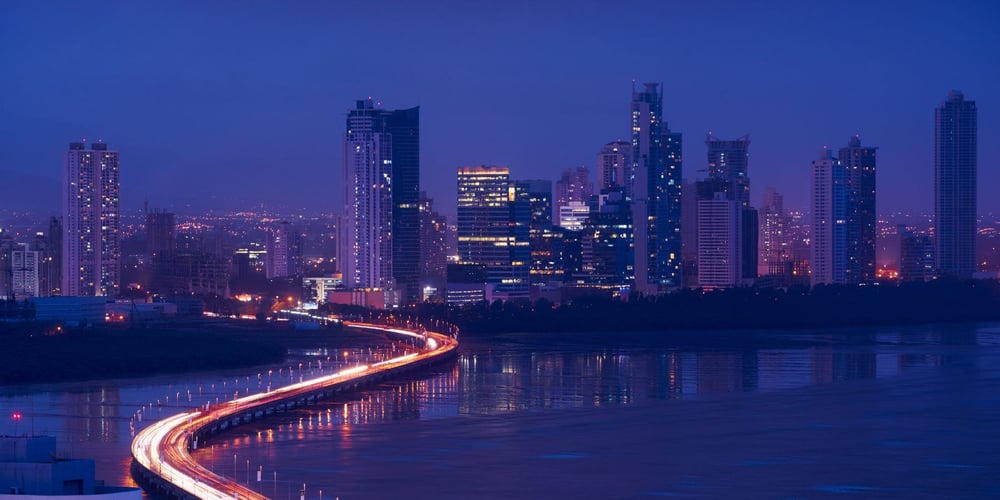
With an average temperature between 30 - 35 degrees Celsius (86 - 95 degrees Fahrenheit), there is...
Rainy Season in Panama: A Practical Guide for Expats for October and November 2026
October is normally among the wettest months on much of Panama's Pacific side, although rainfall patterns differ on the Caribbean side and in the highlands. This year, El Niño is changing the usual picture, so it helps to know what the latest official outlook says and how to prepare.
What IMHPA expects for October–December 2026
On September 30, 2026, Panama's weather and hydrology institute, IMHPA, published its climate outlook for October, November and December. Its main points:
- October: rainfall near or above normal in parts of Bocas del Toro, the Chiriquí highlands, the Ngäbe-Buglé comarca, the central provinces and northern Darién, and below normal in the rest of the country. Indirect effects of hurricanes or tropical systems could still bring prolonged rain and flooding.
- November: near or above normal in the mountain areas of Chiriquí, Ngäbe-Buglé and Veraguas, and below normal elsewhere.
- December: below normal across the country, and well below normal in much of the eastern region. The Pacific side moves into its dry season, while the Caribbean side usually stays rainy, with rain linked to cold fronts.
IMHPA expects El Niño to remain very strong through at least February 2027. Sea temperatures near Panama are also forecast to stay warmer than normal, especially in the Gulf of Panama.
Drier than normal does not mean dry. Even with less total rain, heavy storms, flooding and landslides can still happen, and short, intense downpours remain possible.
How to prepare your home
- Check drains, balconies and windows. Ask your building management whether roof and parking drains have been cleaned.
- Protect your electronics with surge protectors. Power cuts and lightning are more likely during storms.
- Keep a basic emergency kit: flashlight, batteries, power bank, drinking water, basic medicine and copies of your documents.
- Watch for humidity and mold in closets and shoes. A dehumidifier or regular air conditioning use helps.
On the road
- Avoid driving during heavy downpours if you can. Some streets in Panama City flood quickly.
- Never cross flooded streets, rivers or streams, even if they look shallow.
- Allow extra travel time when storms are forecast. Traffic slows down a lot when it rains.
Water interruptions: how to stay informed
Water interruptions can happen at any time of year, for reasons such as scheduled maintenance or repairs. The national water utility, IDAAN, posts planned work and outage notices on its X account @IDAANinforma, and you can report problems through 311. A water reserve at home, such as a building tank or a reserve tank in a house, helps in any of these cases.
Emergency numbers to save
- Emergencies: 911
- SINAPROC (civil protection): 520-4426 / 520-4427 / 520-4429
- SINAPROC WhatsApp (24 hours): 6998-4809
What this means if you're...
...new to Panama: Check the IMHPA and SINAPROC forecasts and alerts before planning trips or outdoor activities, especially in the afternoon.
...looking for a place to live: Ask whether the area floods, whether the building has a water tank and backup generator, and how the parking area handles heavy rain. Visit after a storm if you can.
...living in Bocas del Toro or the western highlands: IMHPA expects near or above-normal rain in parts of these areas, so stay alert to official notices.
Note: This guide is based on public reports and our community's experience. Weather conditions change quickly, so always follow official notices from IMHPA, SINAPROC and IDAAN.
Related Reside Panama Articles
- Best Neighborhoods in Panama City for Expats (2026 Guide)
- Is Panama Safe in 2026? An Honest Expat Guide by Neighborhood
- Living in Panama: Why Expats Quickly Feel at Home
- Panama City Area Guide
Keep exploring Panama with us
At Reside Panama, our community shares the practical side of everyday life in Panama. Explore our blog for more guides, and reach out if you have questions about settling in.